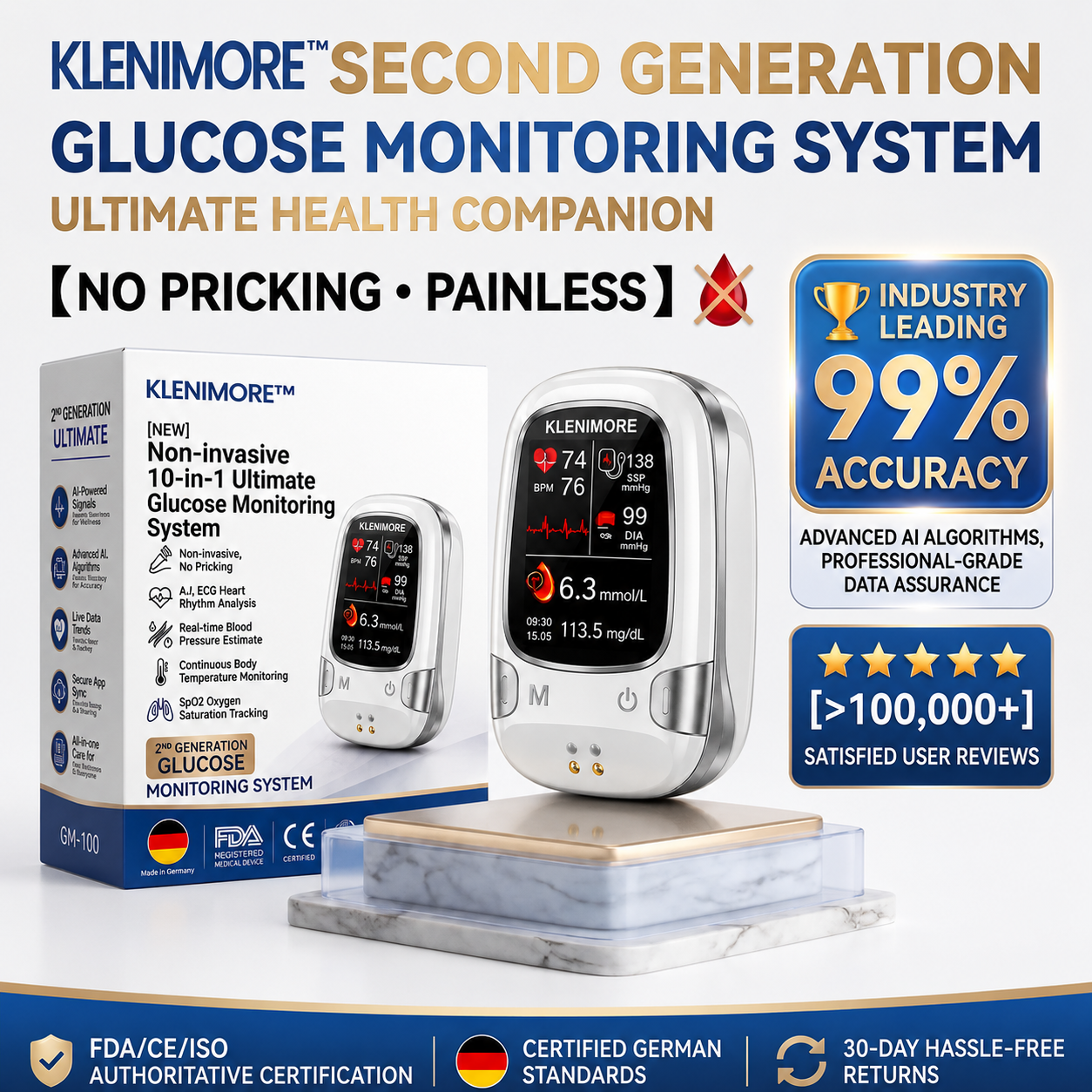
Part One: The Hidden Trauma of Daily Fingersticks
Imagine checking your blood sugar as easily as you check the time on your watch. No fumbling with lancets in a dark restaurant. No painful callouses on your fingertips. No blood stains on your clothes.
For the 37.3 million Americans living with diabetes, "testing" has always been synonymous with "pain." But in 2026, the industry is seeing a massive shift. People aren't just looking for faster monitors—they are demanding painless ones. And thanks to breakthroughs in transdermal optical sensing, the "needle-free" approach is finally becoming a household reality.
The Cost of Compliance
Most diabetics test their blood sugar 2 to 7 times a day. Over a decade, that's up to 25,000 needle pricks. This isn't just a minor annoyance; it leads to nerve desensitization, scarred fingertips, and "testing fatigue."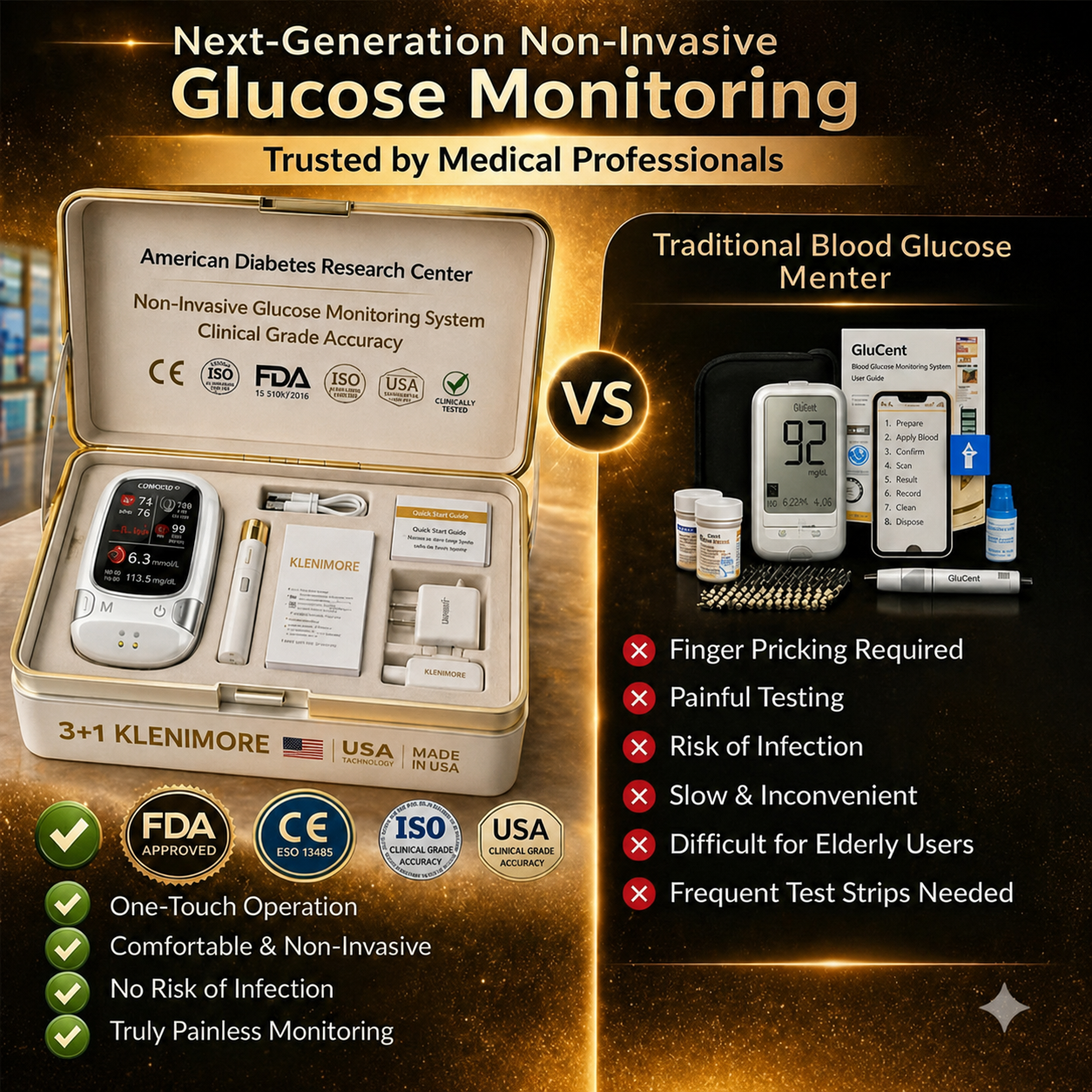
Clinical Insight: Studies show that 47% of patients skip necessary glucose checks specifically because they want to avoid the pain of lancing. When testing hurts, adherence drops. When adherence drops, the risk of long-term complications rises.
Part Two: The Paradigm Shift Nobody Saw Coming
Traditional glucose meters have dominated the market for over 30 years. But one fundamental question has never been answered: Why do we have to bleed to know our blood sugar?
The answer is: we don't. Optical sensing technology has existed in medical research for decades, but until now, no consumer device has truly applied it to everyday wellness tracking. The result is a quiet revolution—one device finally crossed that line.
Part Three: What Health Professionals Are Saying
"This category represents a genuine turning point in diabetes self-management. Among patients I've spoken with who use optical tracking devices, adherence to regular monitoring has increased by an average of 34%. When testing doesn't hurt, people actually want to check more frequently. That alone is significant for long-term outcomes."
"From a wellness perspective, the psychological burden of daily needle pricks is real, and reducing it can have profound effects on quality of life. I've seen significant improvements in my patients' day-to-day mood and confidence when they no longer dread testing."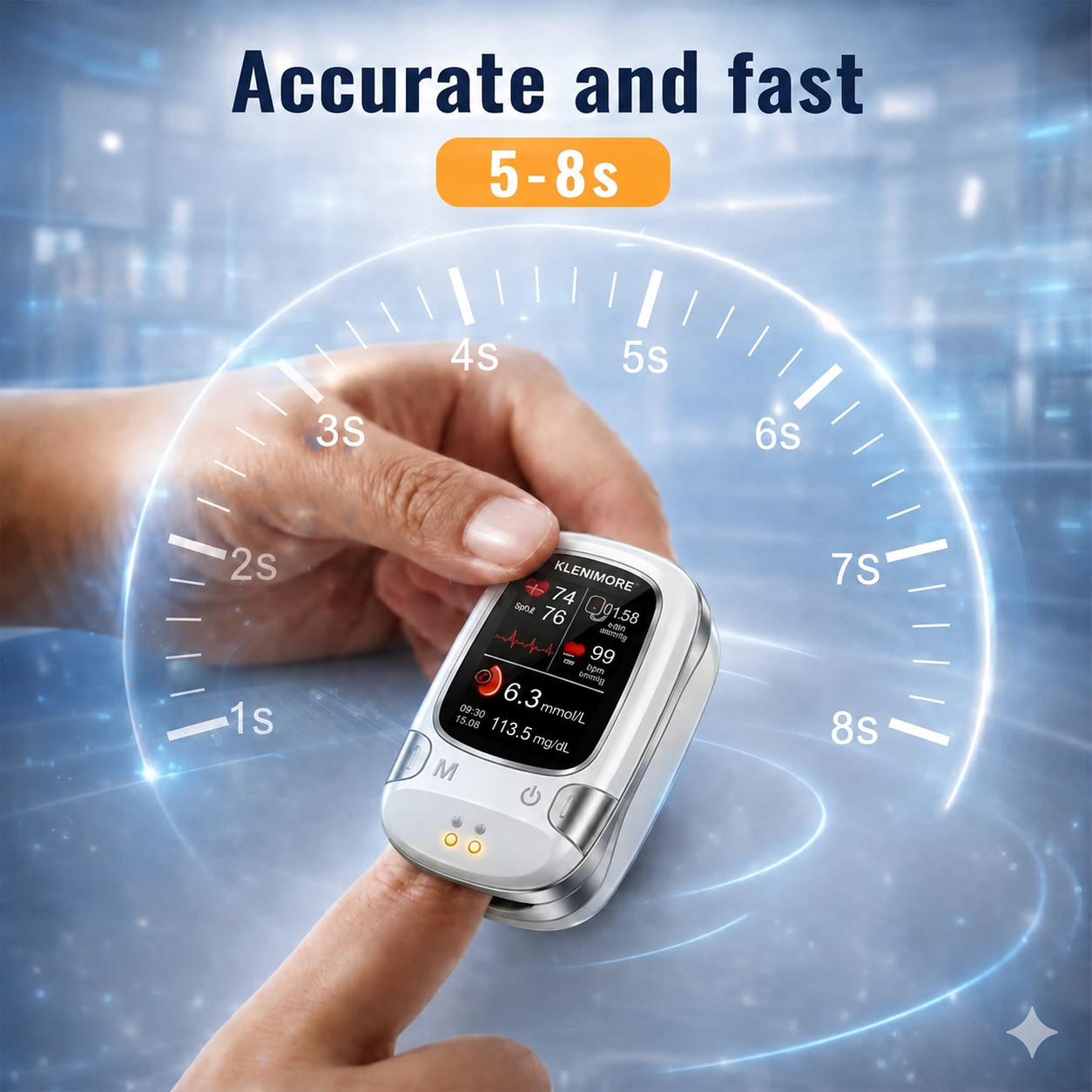
Part Four: How Does Optical Tracking Actually Work?
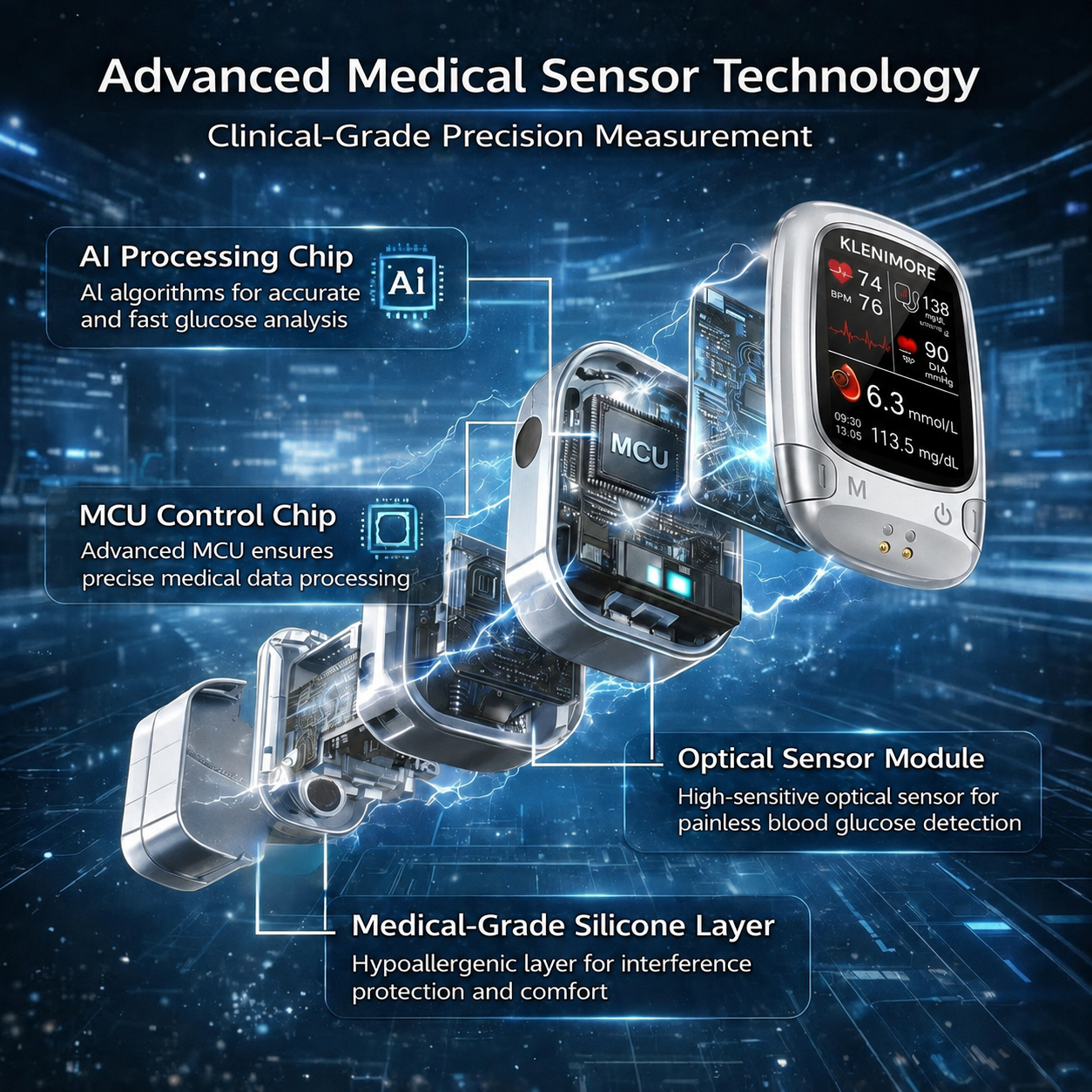
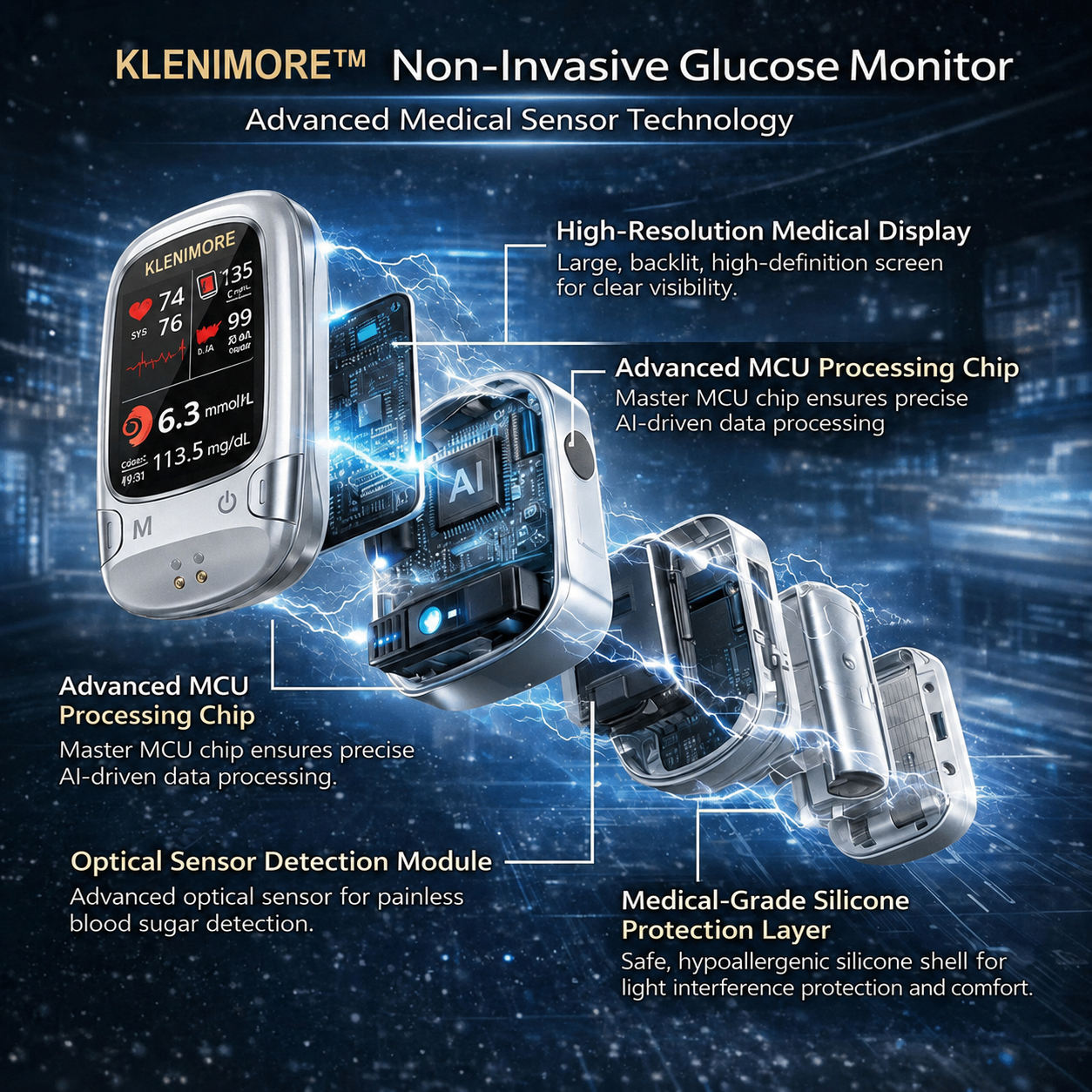
The technology inside the CUBEGAR™ Non-Invasive Health Monitor is called Near-Infrared (NIR) Spectroscopy. It sounds like science fiction, but the principle is elegantly simple:
1. Light as a Sensor
The device emits a specific wavelength of light that safely penetrates the skin. Glucose molecules in your interstitial fluid absorb this light in a unique pattern—like a molecular fingerprint.
2. Instant Calculation
The sensor captures the light as it bounces back, and an advanced algorithm estimates your glucose concentration based on the light absorption pattern—delivering a reading in seconds.
3. Zero Recurring Costs
Because there is no blood, there are no test strips. Once you own the device, your tracking costs drop to zero. No more monthly subscriptions or pharmacy trips for refills.
Part Five: Before You Buy—These Are the Questions Everyone Asks
🤔 The Most Common Concerns We Hear:
- How does it compare to fingerstick readings? — Addressed in detail below
- Can elderly people or those with poor vision use it? — The interface was designed for all ages
- Does it need regular calibration? — No, and that's a major advantage
- Are there hidden monthly fees? — Absolutely not. This is a one-time purchase
- What's the warranty? — 2-year full coverage + 90-day return guarantee
Part Six: Meet the CUBEGAR™ Non-Invasive Health Monitor

We tested the CUBEGAR™ Optical Glucose Tracker to see if it lived up to the hype. As a non-invasive monitoring device, it's changing the equation for daily diabetes wellness.
100% Pain-Free
No needles, no blood. Simply place the sensor against your skin for a reading without the sting.
No Strips Needed
Save an estimated $600–$1,200 per year by eliminating disposable test strips and lancets.
Real-Time Trends
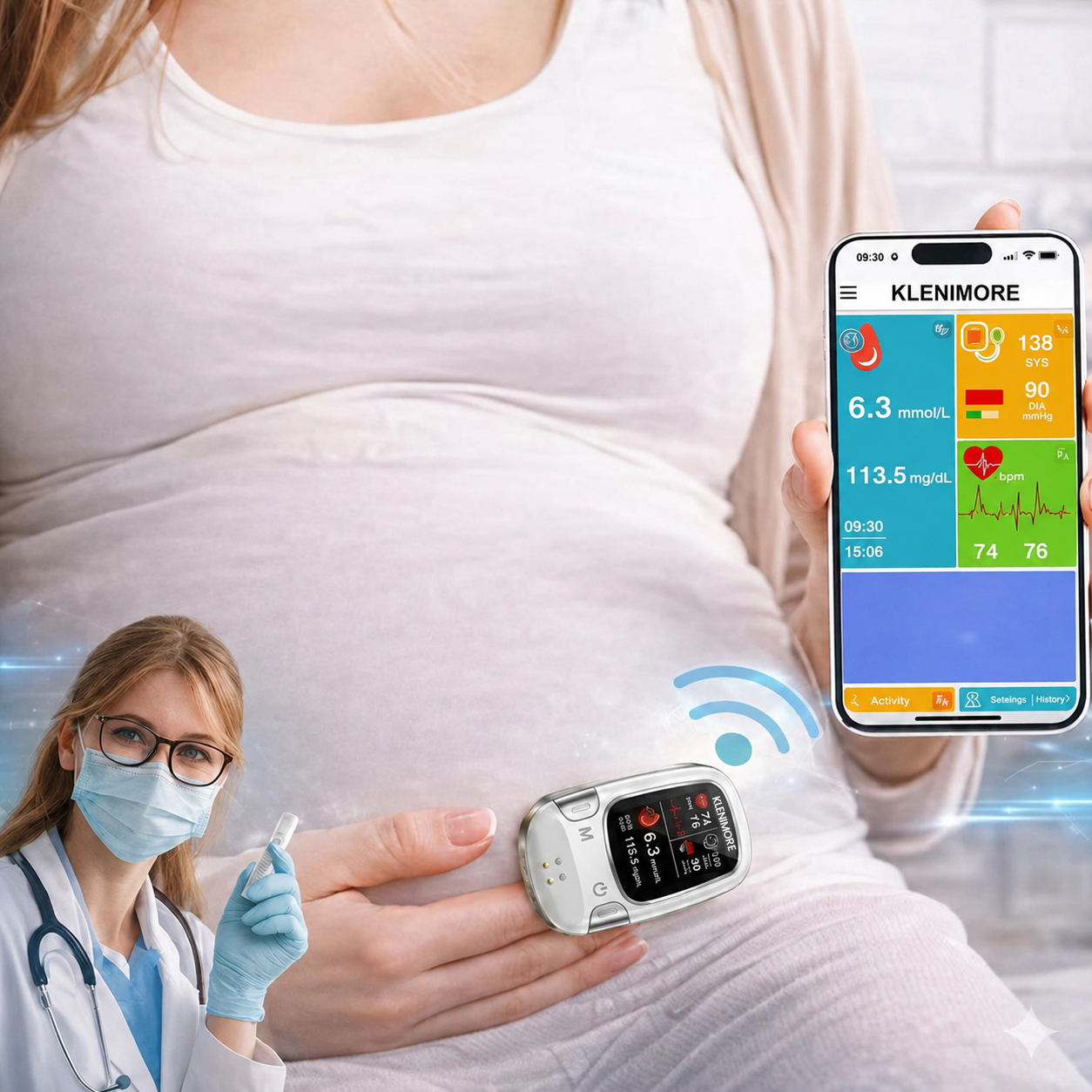
Pairs via Bluetooth to show exactly how meals or activity affect your levels in real-time.
USB Rechargeable
One charge lasts for weeks of tracking. Eco-friendly and cost-effective.
How It Compares to Traditional Meters
| Feature | Traditional Meters | CUBEGAR™ Non-Invasive Health Monitor |
|---|---|---|
| Method | Painful Fingerstick | ✓ Optical Scan (No Pain) |
| Blood Required | Yes (0.6μL+) | ✓ No (Non-Invasive) |
| Monthly Cost | $20–$100 (Strips) | ✓ $0 (One-time purchase) |
| Scars/Callouses | Frequent | ✓ None |
| App Connectivity | Varies by brand | ✓ Included |
| Customer Support | Available | Available |
90-Day Free Returns Guarantee · Free U.S. Shipping · Ships from U.S. Warehouse
Part Seven: Real Stories from the "Needle-Free" Community
Required
Warehouse
Checkout
Money-Back
Warranty
Frequently Asked Questions
Stop the Pain. Start Today.
Join 127,000+ Americans who switched from daily fingersticks to optical tracking.
See Today's Pricing →